Introduction
A system of record is the authoritative data source when information is scattered among various data providers. When we introduce a caching solution, we automatically duplicate our data. To avoid inconsistent reads and data integrity issues, it’s very important to synchronize the database and the cache (whenever a change occurs in the system).
There are various ways to keep the cache and the underlying database in sync and this article will present some of the most common cache synchronization strategies.
Cache-aside
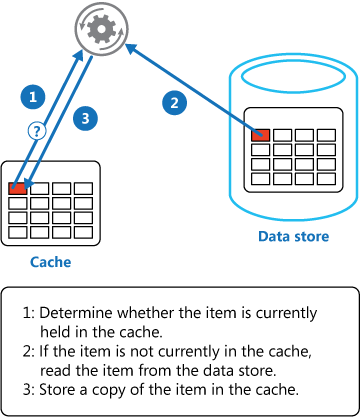
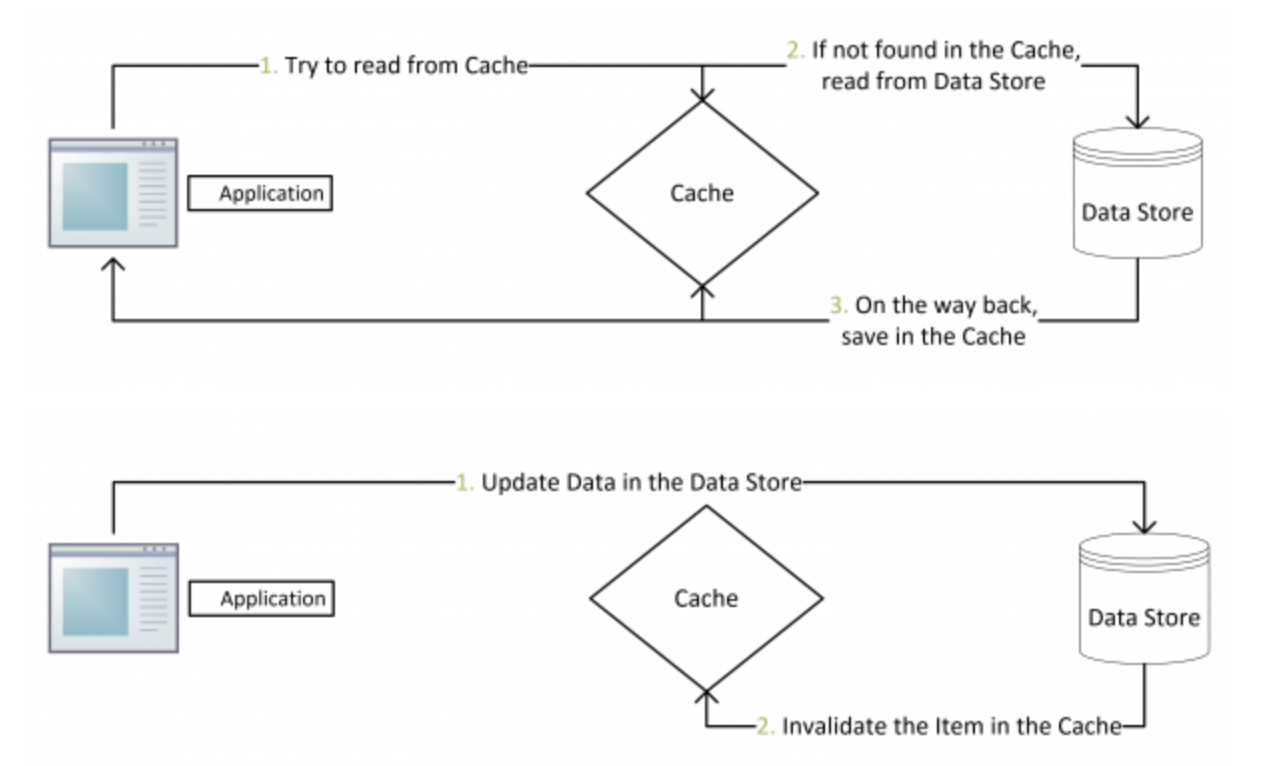
The application code can manually manage both the database and the cache information. The application logic inspects the cache before hitting the database and it updates the cache after any database modification.
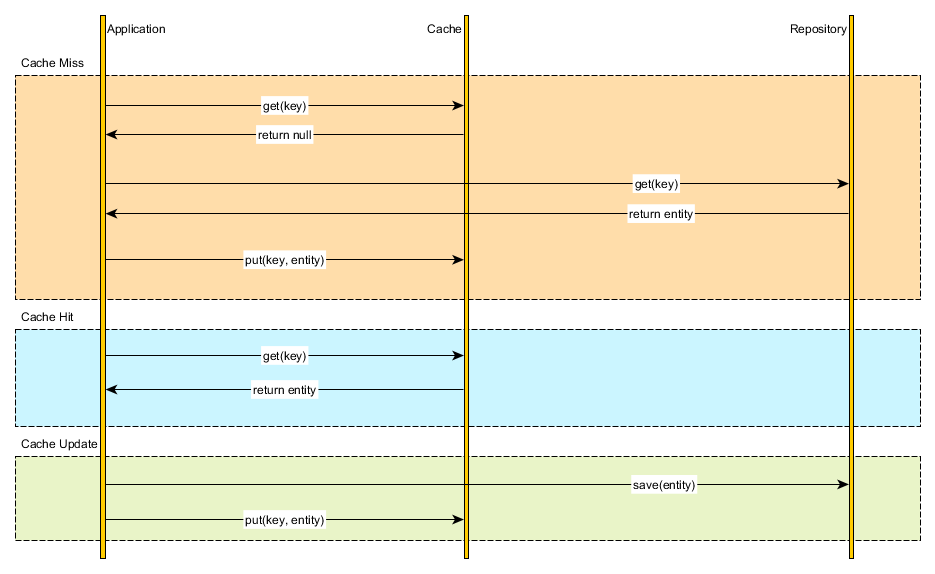
Mixing caching management and application is not very appealing, especially if we have to repeat these steps in every data retrieval method. Leveraging an Aspect-Oriented caching interceptor can mitigate the cache leaking into the application code, but it doesn’t exonerate us from making sure that both the database and the cache are properly synchronized.
Read-through
Instead of managing both the database and the cache, we can simply delegate the database synchronization to the cache provider. All data interaction is, therefore, done through the cache abstraction layer. Continue reading “Cache synchronization strategies”